
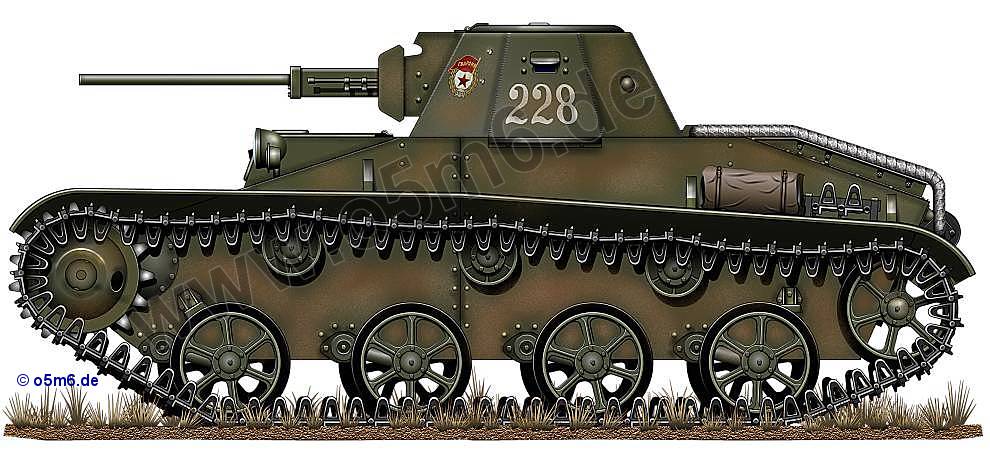
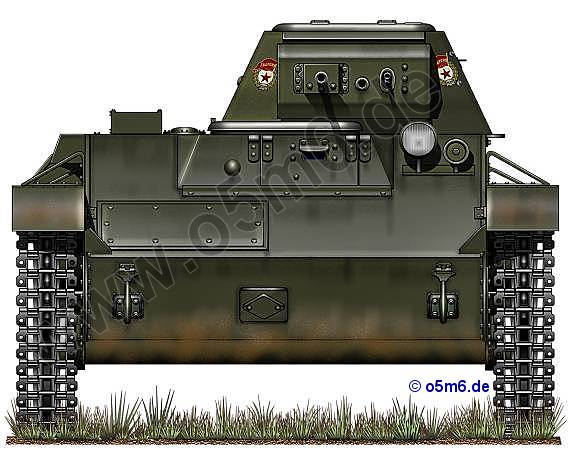
Most of all, its production was cheaper and faster than that of the direct competitive design, the T-50.
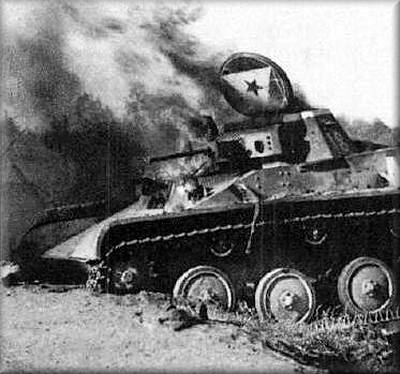
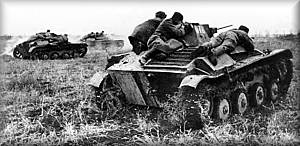
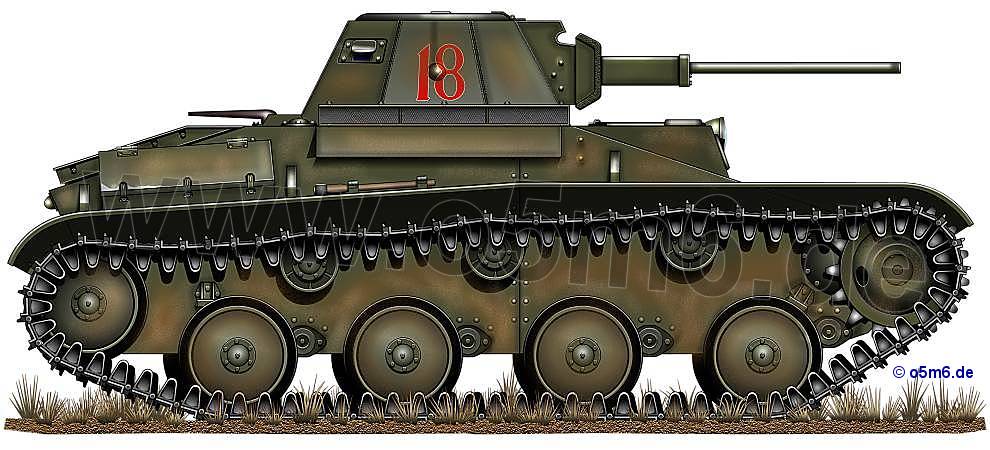
In fact, the T-60 played a prominent role during the fierce fighting for Moscow in 1941 when Red Army armour had already decreased due to the titanic losses of the summer. Its gun was highly effective against infantry and equipped with special AP shells could even cope with the contemporary German Pz.III tanks.
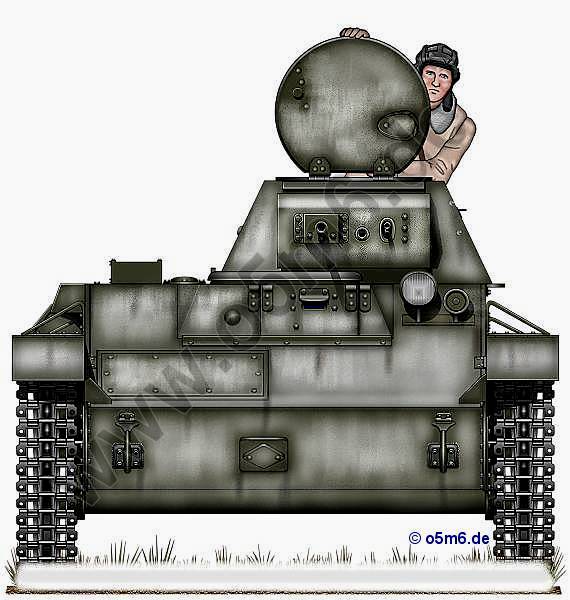
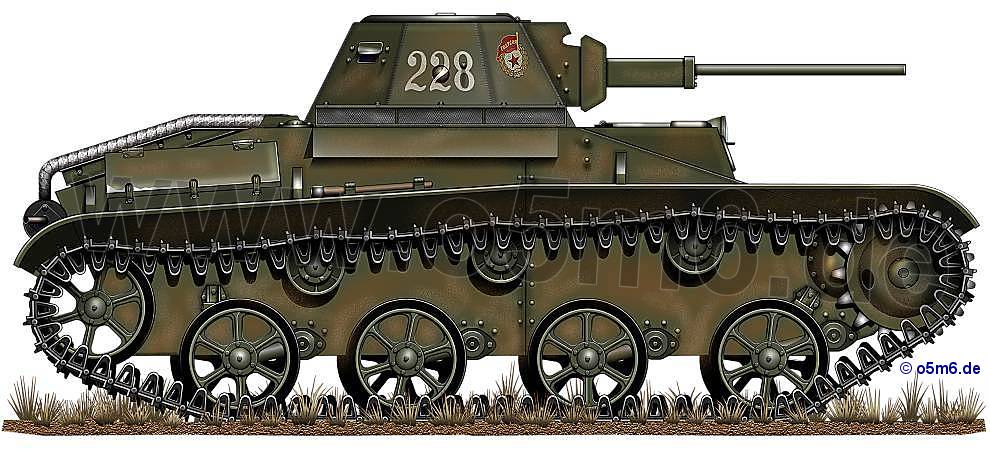
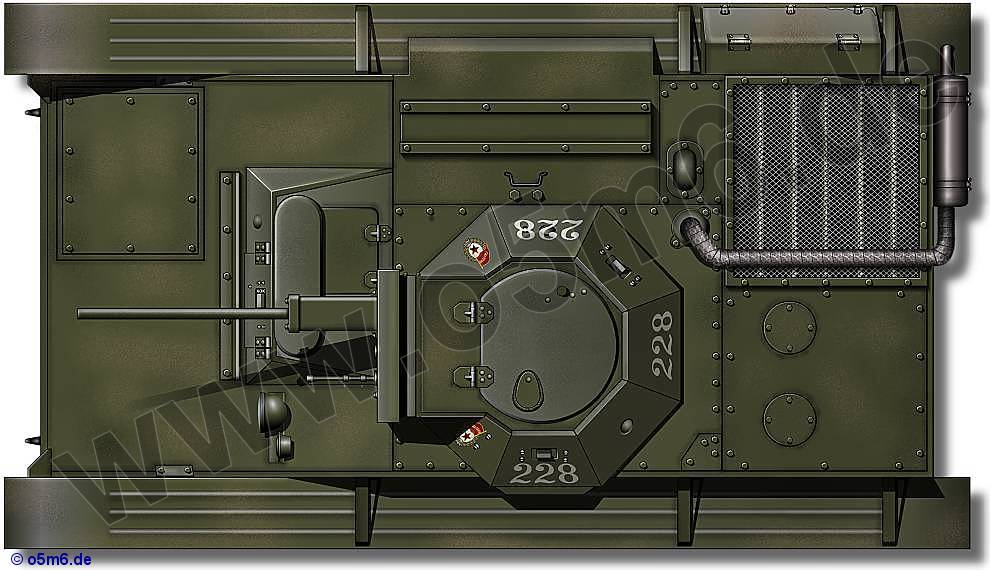
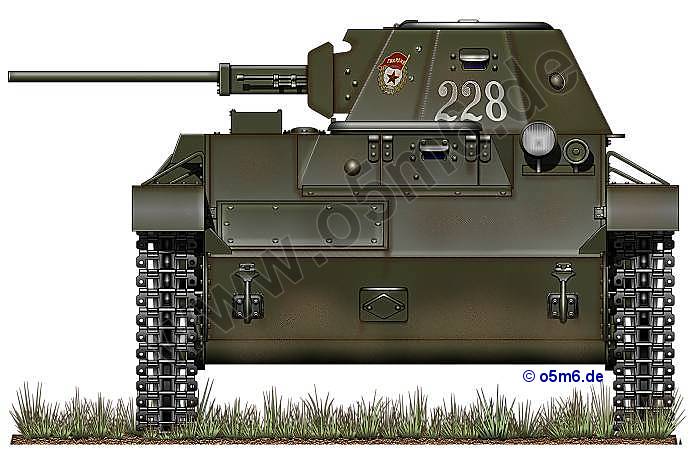
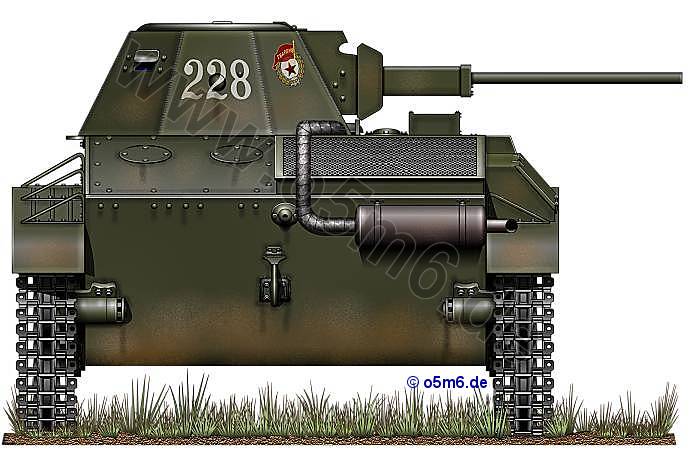
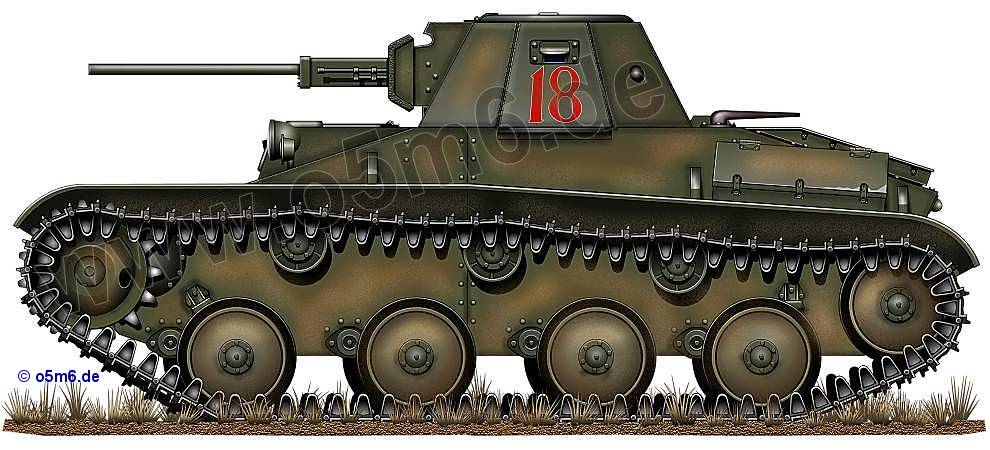
In 1942, the up-gunning of German tanks lead to an up-armouring of the T-60 front and turret to 35mm. The other main production feature was the introduction of solid disc-style wheels.
Although the additional armour didn't really improve the lifetime of the T-60, its production continued throughout the whole year, simply because it was so cheap to produce. Hence, T-60 units participated at the Stalingrad counter-offensive as well as at the Leningrad blockade-breakthrough.
When production was finally halted in February 1943, no less than roughly 6,000 vehicles had left the production lines, mainly at GAZ.
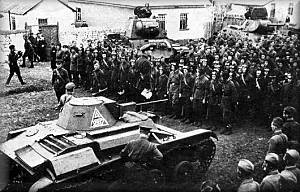
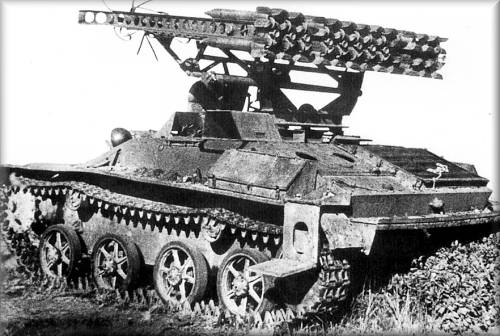
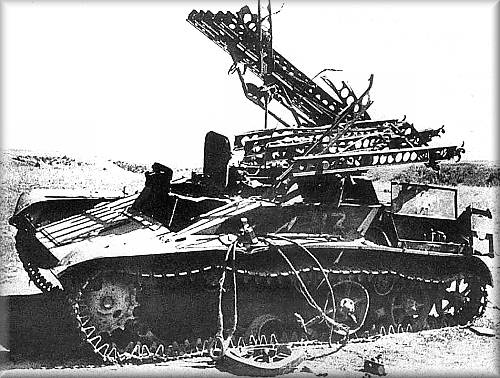
A few 1941 batches delivered the base for the new BM-8-24 Guards Mortars, and some captured samples were successfully armed with equally captured F-22 76 mm guns by Roumanian forces.

No publication in any form without the author's written permission.
Last Updated: June 16, 2007